
Common Tax Fraud Schemes to Watch Out For
By : saulcrim | Category : Criminal Defense | Comments Off on Common Tax Fraud Schemes to Watch Out For
19th Jan 2026

The IRS reports that tax fraud costs the government billions annually, and criminals are getting smarter about hiding their schemes. At Law Offices of Scott B. Saul, we’ve seen firsthand how devastating these crimes can be for innocent people caught in the crossfire.
Whether you’re a business owner or individual taxpayer, understanding the most common tax fraud schemes is your first line of defense. This guide walks you through what to watch for and how to protect yourself.
What Are the Most Common Tax Fraud Schemes
Underreporting Income and Hidden Assets
Underreporting income remains the most prevalent tax fraud tactic, and it extends far beyond simply hiding cash. The IRS identifies underreporting as a leading indicator of fraud, particularly when taxpayers claim business expenses that don’t align with their reported revenue. Many business owners deliberately omit income from side gigs, cash payments, or cryptocurrency transactions, banking on the assumption that unreported money won’t surface during an audit. Hidden assets complicate this further-criminals stash money in offshore accounts, shell corporations, or fraudulent trusts to obscure ownership and avoid taxation. The IRS’s CI-FIRST initiative, which collaborates with financial institutions using Bank Secrecy Act data, has dramatically increased detection rates for these schemes.
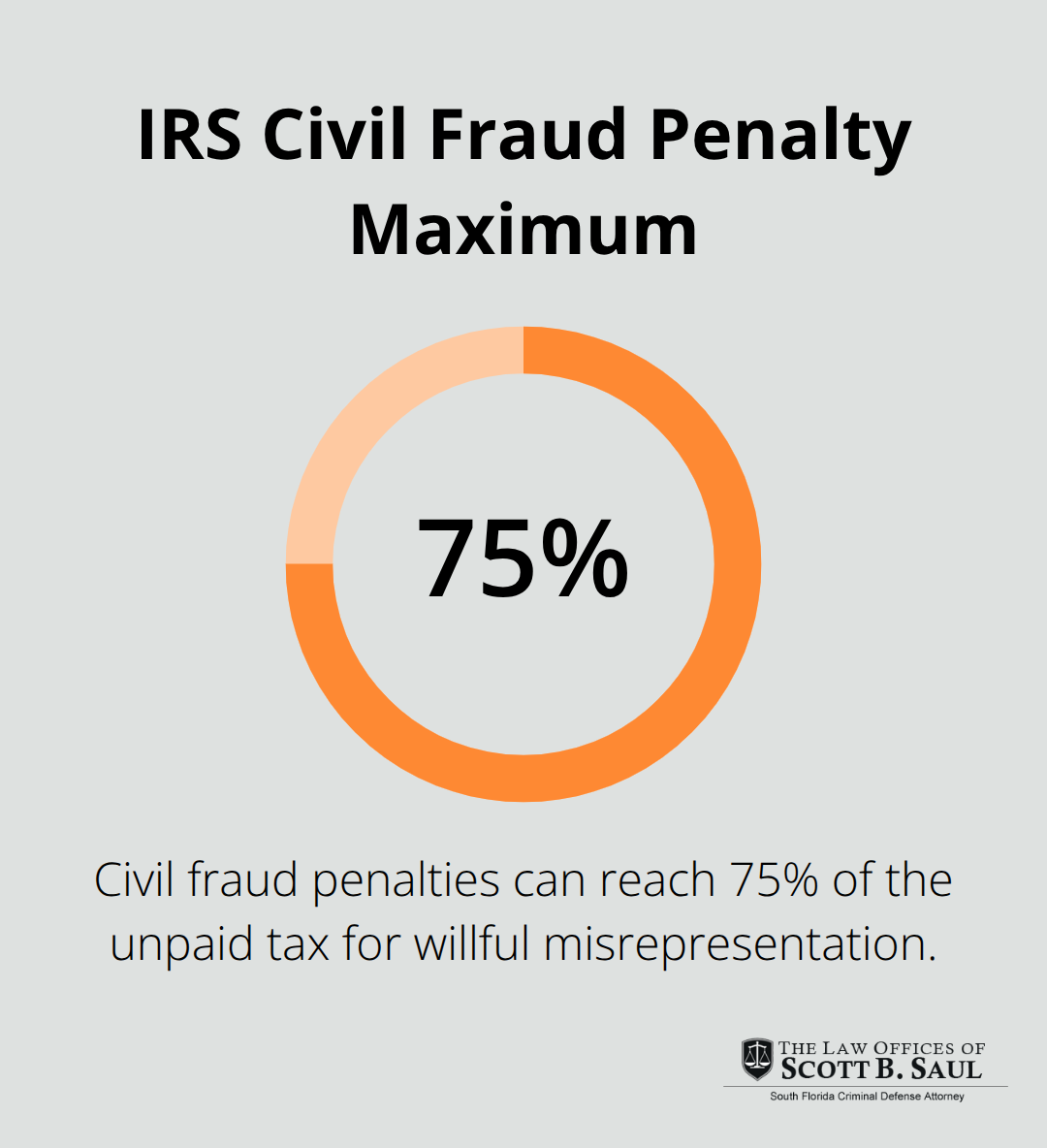
What makes income underreporting so dangerous is that penalties escalate quickly: civil fraud penalties can reach 75% of the unpaid tax, and willful evasion carries up to five years in prison plus fines reaching $250,000 for individuals.
Inflating Deductions and Fabricating Expenses
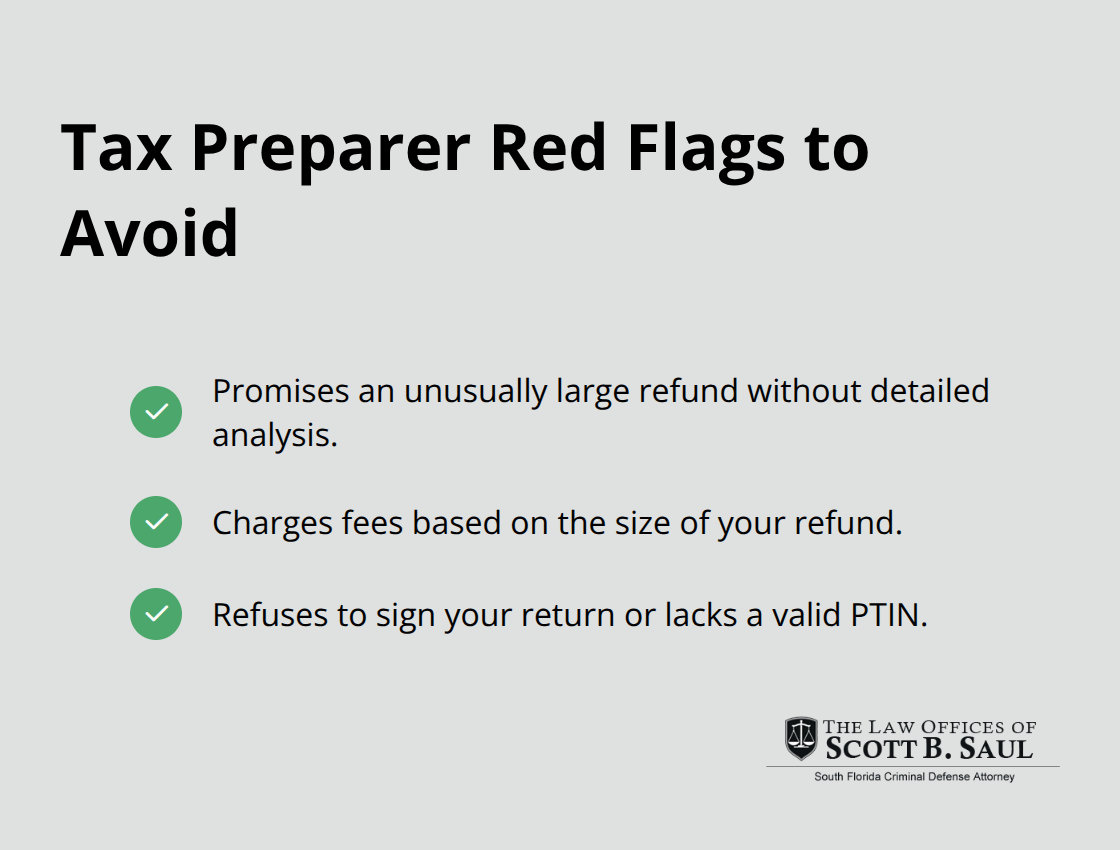
Inflating deductions and fabricating expenses constitute deliberate fraud when done intentionally, not innocent mistakes. Taxpayers who claim personal expenses as business deductions, invent charitable contributions, or falsify home office calculations commit tax fraud-not tax planning. The distinction matters legally because the IRS treats willful misrepresentation far more harshly than errors. Ghost tax return preparers exploit this vulnerability by filing returns without proper signatures or IRS Preparer Tax Identification Numbers, leaving clients liable for penalties even though they didn’t author the fraud. If your preparer guarantees an unusually large refund, charges only based on refund size, or refuses to sign the return with a valid PTIN, that signals potential fraud.
Identity Theft and Fraudulent Returns
Identity theft and fraudulent returns represent the fastest-growing tax crime category. Criminals file false returns using stolen Social Security numbers to claim refunds, inflated credits, or non-existent deductions. The IRS reported that refund fraud cases increased substantially, with scammers targeting Employee Retention Credits and pandemic-era relief programs aggressively. Protecting yourself means monitoring your IRS account regularly and checking your credit reports for unauthorized activity. These schemes often target vulnerable populations and can take months to uncover, leaving victims to sort through the damage long after criminals file their fraudulent claims.
Red Flags and Warning Signs
Inconsistencies Between Your Tax Return and Financial Records
Inconsistencies between your tax return and your financial records land you on an auditor’s desk faster than almost anything else. The IRS cross-references bank deposits, credit card statements, and 1099 forms against reported income, and discrepancies trigger immediate red flags. If you reported $80,000 in self-employment income but your bank shows $120,000 in deposits, that gap demands explanation. The IRS matching program catches these inconsistencies automatically, and even small variances compound during audits.
Deductions That Don’t Match Your Income Level
Unusual deductions relative to your income level signal potential fraud to IRS auditors. A freelancer earning $45,000 annually who claims $35,000 in home office expenses will attract scrutiny because the ratio simply doesn’t align with legitimate business operations. The IRS maintains historical data on average deduction percentages by industry and income level, so claims that deviate significantly from those baselines trigger computer-generated audit flags.
Cash Transactions and Lifestyle Audits
Unreported cash transactions and off-the-books income represent a persistent problem, especially in service industries and cash-heavy businesses. The IRS knows that restaurants, salons, construction companies, and freelancers handle substantial cash, and they monitor these sectors closely. If your business reports low net income but you live a lifestyle that contradicts those numbers-expensive cars, frequent travel, luxury purchases-auditors will investigate. The IRS uses lifestyle audits to compare your reported income against your spending patterns, and the math rarely lies.
Documentation Protects You
Small business owners who deposit personal cash into business accounts without documentation create unnecessary exposure. Document every cash transaction with dates, amounts, and business purpose. Use separate bank accounts for business and personal funds, and maintain contemporaneous records that show income sources clearly. Mixing personal and business cash creates ambiguity that auditors interpret as intentional concealment, even when the reality is simple disorganization.
Understanding these warning signs positions you to address vulnerabilities before an audit begins. The next section covers practical steps to protect yourself from becoming a target in the first place.
How to Protect Yourself from Tax Fraud
Meticulous record-keeping and deliberate choices about who handles your taxes form your strongest defense against tax fraud. Countless taxpayers face devastating consequences because they fail to document transactions or trust the wrong preparer. Your bank statements, receipts, invoices, and contemporaneous notes create the foundation of your defense during an audit. The IRS cross-references your reported income against third-party documents like W-2s, 1099s, and bank deposits automatically, so gaps in your documentation create suspicion even when your intentions are honest.
Document Everything Systematically
Set up a system where you categorize expenses by type, date, and business purpose immediately after each transaction occurs. Waiting until tax season to reconstruct months of expenses guarantees omissions and inaccuracies that auditors will exploit. Digital tools like accounting software eliminate disorganization-programs like QuickBooks or Wave cost under $30 monthly and automatically sync with your bank accounts, creating an audit trail that proves your diligence. Small business owners who deposit personal cash into business accounts without documentation create unnecessary exposure. Document every cash transaction with dates, amounts, and business purpose. Use separate bank accounts for business and personal funds, and maintain contemporaneous records that show income sources clearly. Mixing personal and business cash creates ambiguity that auditors interpret as intentional concealment, even when the reality is simple disorganization.
Select a Tax Professional With Proper Credentials
The preparer you choose determines whether your tax return becomes a liability or your strongest asset. Demand that your preparer holds a valid IRS Preparer Tax Identification Number, which you can verify on the IRS website. Never work with someone who charges based on refund size, promises unusually large refunds without detailed analysis of your situation, or refuses to sign your return with their PTIN. Ghost preparers-those who file returns without proper credentials or signatures-leave clients responsible for penalties even though the client did not commit the fraud. Interview multiple preparers and ask specifically how they handle gray areas like home office deductions or charitable contributions; their answers reveal whether they prioritize aggressive positioning or defensible positions. CPAs or enrolled agents typically offer stronger protection than discount tax services, particularly if you own a business or have complex income sources.
Monitor Your Accounts Actively Throughout the Year
Waiting for an audit notice means you have already lost control of the situation. Create an IRS Online Account at IRS.gov and check it quarterly to verify that reported documents match what you filed. Pull your credit report annually through AnnualCreditReport.com to spot fraudulent accounts opened in your name. If you own a business, reconcile your tax records against bank statements monthly rather than annually-this practice catches errors quickly and proves to auditors that you maintain genuine oversight. Fraudsters file false returns using stolen identities during peak filing season, so monitor your IRS transcript during January through April especially carefully. These simple steps transform you from a passive target into an active participant in your own compliance, and that distinction matters enormously when auditors evaluate your credibility.
Final Thoughts
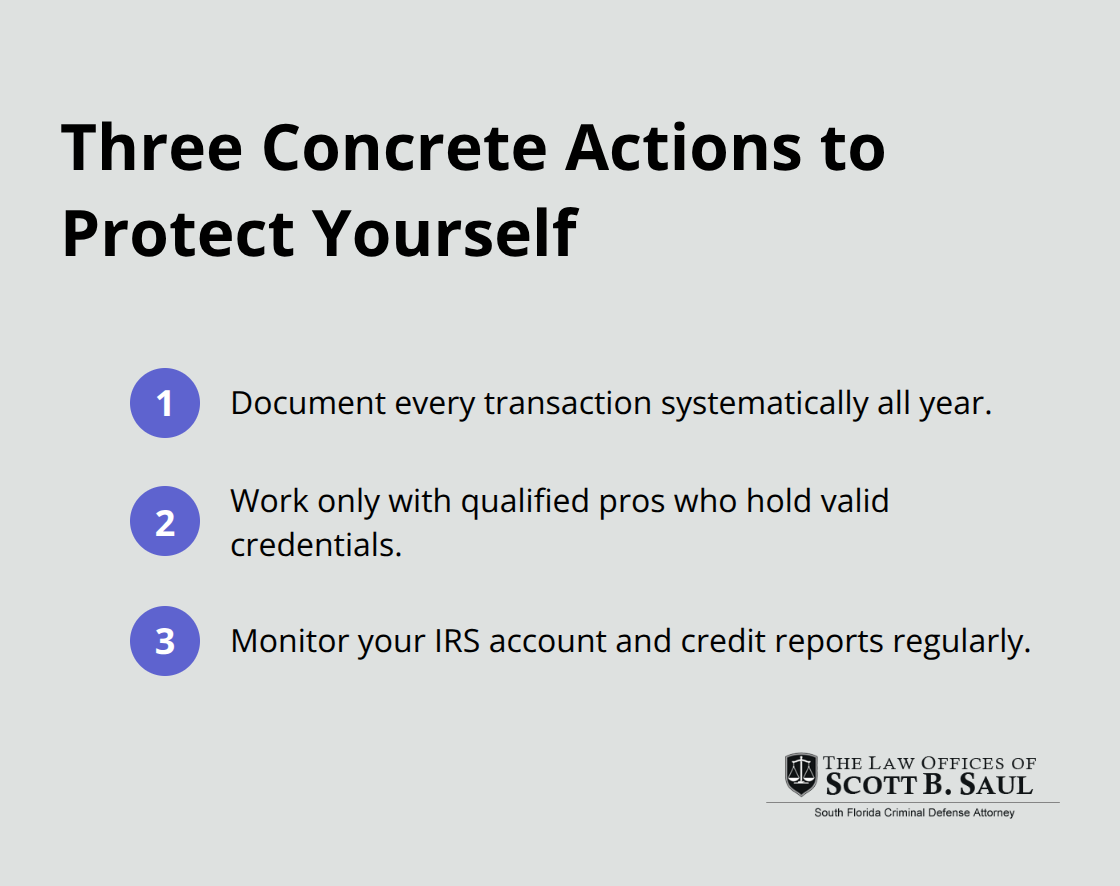
Tax fraud schemes evolve constantly, but the fundamentals remain unchanged: underreporting income, inflating deductions, and exploiting identity theft continue to dominate the landscape. Three concrete actions form your strongest defense against these threats. First, maintain systematic documentation of every transaction throughout the year rather than scrambling during tax season; second, work exclusively with qualified tax professionals who hold valid credentials and prioritize defensible positions over aggressive claims; third, monitor your IRS account and credit reports regularly so you catch problems before they spiral into investigations.
If you face criminal tax charges or suspect fraudsters have targeted you, the stakes demand experienced legal representation. We at Law Offices of Scott B. Saul bring extensive criminal defense expertise to South Florida, with a former federal and state prosecutor leading our team. Our criminal defense team provides the aggressive representation you need when dealing with tax fraud allegations or identity theft complications.
Protecting your financial security starts with vigilance today and professional guidance when questions arise. Contact us if vulnerabilities in your tax position warrant immediate attention.
Archives
- February 2026 (5)
- January 2026 (9)
- December 2025 (9)
- November 2025 (8)
- October 2025 (8)
- September 2025 (9)
- August 2025 (8)
- July 2025 (8)
- June 2025 (9)
- May 2025 (9)
- April 2025 (8)
- March 2025 (9)
- February 2025 (8)
- January 2025 (9)
- December 2024 (10)
- November 2024 (5)
- July 2024 (2)
- June 2024 (2)
- May 2024 (2)
- April 2024 (2)
- March 2024 (2)
- February 2024 (2)
- January 2024 (2)
- December 2023 (2)
- November 2023 (2)
- October 2023 (2)
- September 2023 (2)
- August 2023 (1)
- July 2023 (2)
- June 2023 (2)
- May 2023 (2)
- April 2023 (2)
- March 2023 (2)
- February 2023 (2)
- January 2023 (2)
- December 2022 (2)
- November 2022 (2)
- October 2022 (2)
- September 2022 (2)
- August 2022 (2)
- July 2022 (2)
- June 2022 (2)
- May 2022 (2)
- April 2022 (2)
- March 2022 (2)
- February 2022 (2)
- January 2022 (2)
- December 2021 (2)
- November 2021 (2)
- October 2021 (2)
- September 2021 (2)
- August 2021 (2)
- July 2021 (2)
- June 2021 (2)
- May 2021 (2)
- April 2021 (2)
- September 2020 (5)
- July 2020 (4)
- June 2020 (4)
- May 2020 (4)
- April 2020 (5)
- March 2020 (4)
- February 2020 (4)
- January 2020 (4)
- December 2019 (1)
- November 2019 (4)
- October 2019 (4)
- September 2019 (4)
- August 2019 (4)
- July 2019 (5)
- June 2019 (4)
- May 2019 (4)
- April 2019 (4)
- March 2019 (4)
- February 2019 (4)
- January 2019 (4)
- December 2018 (4)
- November 2018 (5)
- October 2018 (5)
- September 2018 (4)
- August 2018 (4)
- July 2018 (7)
- June 2018 (4)
- May 2018 (4)
- April 2018 (8)
- March 2018 (4)
- February 2018 (4)
- January 2018 (4)
- November 2017 (4)
- October 2017 (4)
- September 2017 (4)
- August 2017 (7)
- July 2017 (6)
- June 2017 (4)
- May 2017 (4)
- April 2017 (4)
- March 2017 (4)
- February 2017 (7)
- January 2017 (4)
- December 2016 (7)
- November 2016 (4)
- October 2016 (4)
- September 2016 (10)
- August 2016 (4)
- July 2016 (4)
- June 2016 (4)
- May 2016 (4)
- April 2016 (4)
- March 2016 (4)
- February 2016 (7)
- January 2016 (4)
- December 2015 (5)
- November 2015 (4)
- October 2015 (7)
- September 2015 (4)
- August 2015 (4)
- July 2015 (13)
- June 2015 (9)
- May 2015 (8)
- April 2015 (6)
- March 2015 (4)
- February 2015 (4)
- January 2015 (4)
- December 2014 (4)
- November 2014 (4)
- October 2014 (4)
- September 2014 (3)
Categories
- Adjudication (1)
- Bankruptcy (1)
- Burglary Crimes (3)
- calendar call (1)
- Car Accident (1)
- Criminal Defense (395)
- Cyber Crimes (7)
- DNA (1)
- Domestic Violence (9)
- Drug Crimes (5)
- DUI (12)
- Embezzlement (1)
- Environmental Crimes (4)
- Expungement Law (2)
- Federal Sentencing Law (3)
- Firearm (3)
- Forgery (4)
- General (82)
- Healthcare (3)
- Immigration (1)
- Indentity Theft (1)
- Insurance (5)
- judicial sounding (2)
- Juvenile Crimes (4)
- Manslaughter (4)
- Money Laundering (3)
- Organized Crime (1)
- Racketeering (1)
- Reckless Driving (3)
- RICO (3)
- Sealing and Expunging (2)
- Sex Offense (1)
- Shoplifting (1)
- Suspended Driver's License (1)
- Traffic (4)
- Trending Topics (1)
- White-collar Offenses (1)
