
How to Prevent Tax Fraud Effectively
By : saulcrim | Category : Criminal Defense | Comments Off on How to Prevent Tax Fraud Effectively
12th Feb 2026

Tax fraud costs the U.S. government billions annually, and the IRS has increased enforcement efforts significantly in recent years. We at Law Offices of Scott B. Saul know that understanding tax fraud prevention strategies is essential for protecting your business and personal finances.
This guide covers the most common fraud schemes, how authorities detect them, and the practical steps you can take to stay compliant and secure.
What Tax Fraud Schemes Look Like in Practice
Income Underreporting and Cash-Based Vulnerabilities
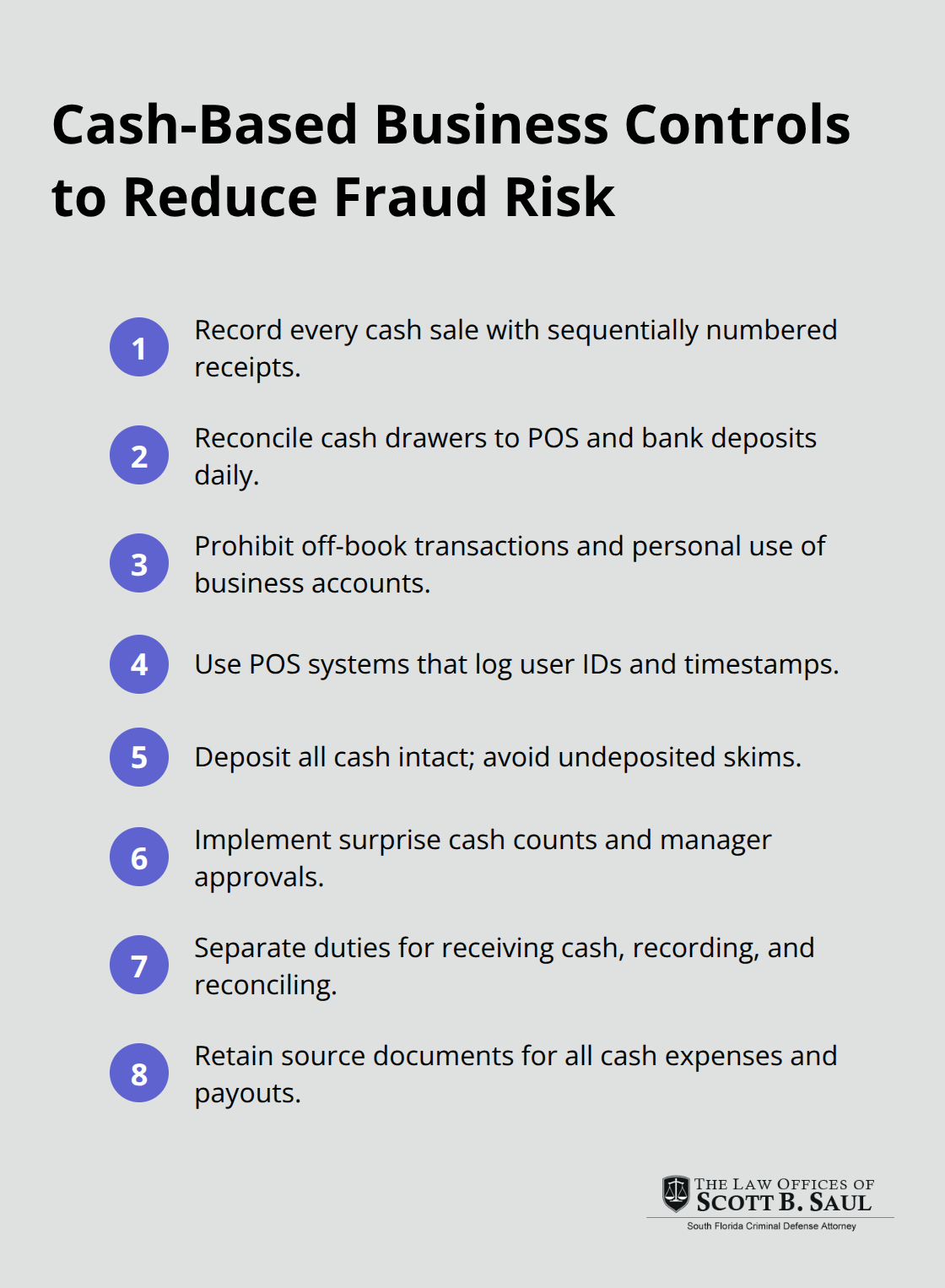
The IRS Criminal Investigation reported 2,667 tax fraud and financial crimes in fiscal year 2024, illustrating how widespread these violations have become. Cash-based businesses remain the most common vehicle for income underreporting because transactions leave minimal paper trails and owners pocket earnings without depositing them into traceable accounts. Restaurants, construction firms, and service providers frequently exploit this vulnerability by accepting cash payments and failing to report that revenue. The problem intensifies when business owners maintain dual accounting systems-one for tax authorities and another reflecting actual income.
Inflated Deductions and Fabricated Expenses
Inflated deductions represent another major scheme, where taxpayers claim personal expenses as business costs or exaggerate legitimate write-offs. Home office deductions get abused regularly, with owners claiming far larger square footage percentages than they actually use for business purposes. Vehicle and travel expenses suffer similar inflation, where owners deduct personal trips as business travel or claim vehicle depreciation on cars used primarily for personal use. These schemes often collapse under scrutiny because they contradict industry standards and financial reality.
Identity Theft and Offshore Concealment
Offshore account concealment has evolved significantly as criminals move funds to jurisdictions with weak reporting standards, though modern information-sharing agreements between countries have made this strategy substantially riskier than it once was. Identity theft in tax fraud occurs when criminals use stolen Social Security numbers and personal information to file fraudulent returns and claim refunds before legitimate taxpayers file. TransUnion reported that 970 data breaches in 2024 exposed more than 640 million consumer records containing identity data like Social Security numbers, creating unprecedented vulnerability for theft-based fraud schemes. The IRS cannot process a second return for the same Social Security number, making speed critical for fraudsters filing false returns before legitimate taxpayers submit their documentation.
How Authorities Detect Fraud Today
Digital forensics now reveal inconsistencies between reported income and actual lifestyle expenditures, where individuals claim minimal earnings yet drive luxury vehicles, own multiple properties, or maintain high-end spending patterns that financial data contradicts. Data analytics flags unusual deduction patterns automatically, identifying taxpayers whose write-offs deviate dramatically from industry norms for their business type and size. Missing documentation represents an immediate red flag because legitimate business expenses come with receipts, invoices, and supporting records that criminals rarely maintain. The IRS integrates information across multiple data sources (including device signals, financial records, and consumer-provided information) to distinguish legitimate returns from fraudulent activity. This multilayered approach catches most schemes because maintaining a convincing false narrative across all these data points simultaneously requires sophistication most perpetrators lack.
Taking Action Against Fraud Risk
Qualified tax professionals and legal advisors can help you understand your exposure and protect your interests if you face tax fraud allegations or concerns about compliance.
How Authorities Spot Tax Fraud
Multiple Data Sources Create Detection Layers
The IRS integrates data from multiple sources simultaneously, making it nearly impossible for fraudsters to maintain a false narrative across all verification points. Digital forensics comparing reported income against spending patterns now flag individuals who claim minimal earnings while maintaining luxury lifestyles, owning multiple properties, or sustaining high-end expenditures that financial records contradict. The agency applies multilayered analytics combining device signals with consumer data and current tax information to distinguish legitimate returns from fraudulent activity. This approach works because most perpetrators lack the sophistication to coordinate false narratives across every data source simultaneously.
Deduction Patterns and Missing Documentation
Unusual deduction patterns trigger automatic alerts because industry analytics identify write-offs that deviate dramatically from established norms for specific business types and company sizes. Missing documentation represents an immediate red flag since legitimate business expenses always come with receipts, invoices, and supporting records that fraudsters rarely maintain or fabricate convincingly.

The IRS processes electronically filed Form 1040 returns within approximately 21 days, and this timeline means authorities now catch identity theft fraud faster than ever before by comparing filing sequences and Social Security number usage patterns.
Speed Advantages for Legitimate Filers
Implementing a multilayered data approach enables faster processing for trusted taxpayers while focusing resources on suspected fraudulent returns, essentially creating a two-track system that speeds legitimate filings while intensifying scrutiny on high-risk submissions. Taxpayers who maintain meticulous documentation and work with qualified tax professionals who understand these detection systems position themselves advantageously within this framework. Proper record-keeping and professional guidance remain your strongest defense against both accidental compliance errors and fraud accusations, which is why understanding how the IRS constructs its detection network matters for your filing strategy.
How to Build a Fraud-Proof Filing System
Document Everything with Precision
Preventing tax fraud starts with creating documentation systems that withstand IRS scrutiny and protect you from both accidental errors and intentional schemes. The IRS processes electronically filed Form 1040 returns within approximately 21 days, which means authorities now compare filing sequences and Social Security number usage patterns faster than ever before. Your strongest defense involves maintaining meticulous records that align perfectly with your reported income and claimed deductions.
Cash-based businesses face the highest vulnerability because transactions leave minimal paper trails. Restaurants, construction firms, and service providers must implement daily transaction logs that capture every payment method, client information, and service description. Digital accounting software that automatically categorizes expenses and syncs with bank statements eliminates the manual entry errors that trigger audits.
Organize Records by Category and Date
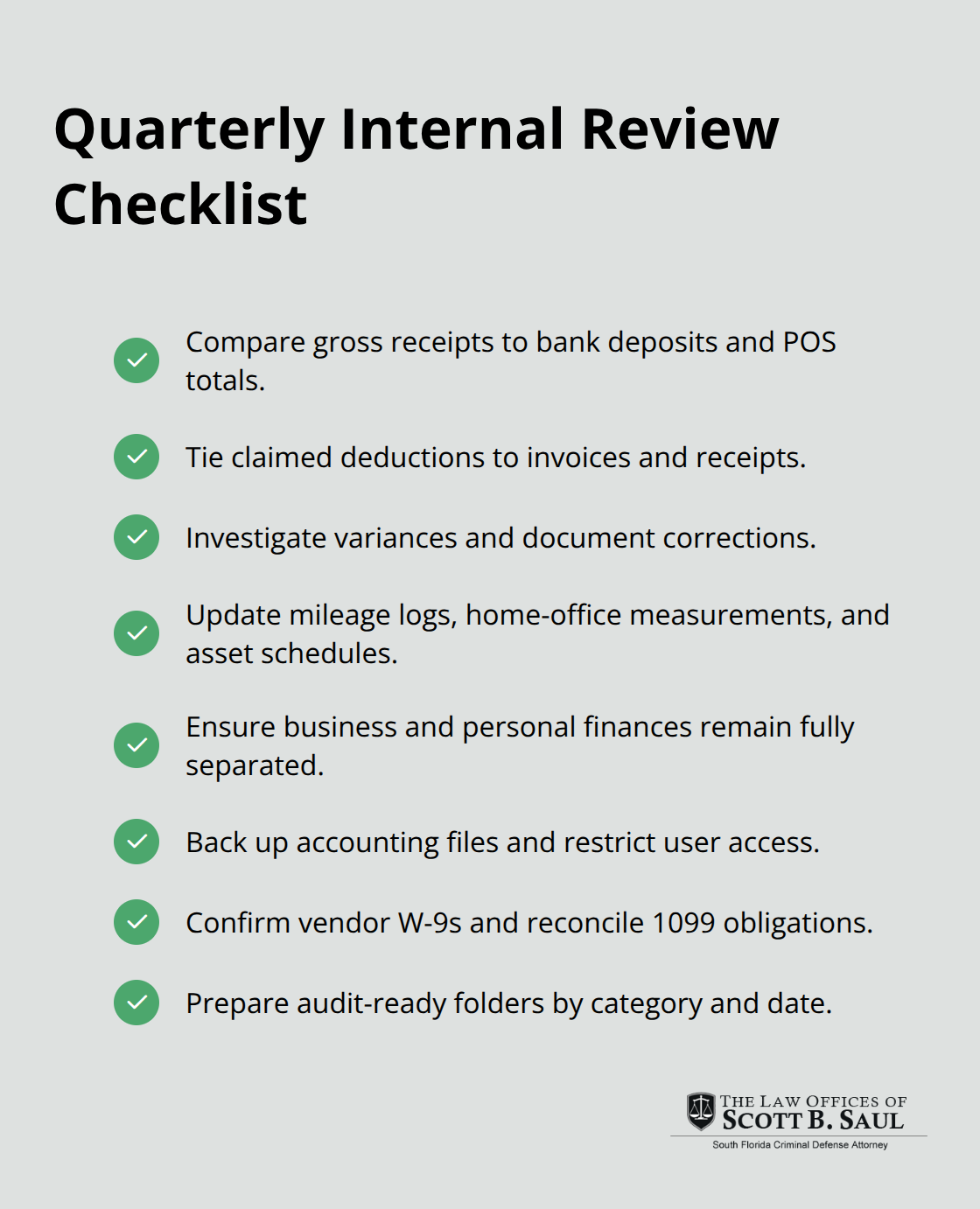
Store receipts, invoices, and supporting documentation organized by category and date because the IRS flags missing documentation immediately when auditing unusual deduction patterns. Industry analytics identify write-offs that deviate dramatically from established norms for specific business types and company sizes, so your deductions must reflect legitimate business expenses with corresponding evidence. If you claim a home office deduction, measure the exact square footage used exclusively for business and calculate the precise percentage of your home it represents rather than estimating inflated figures that contradict industry standards.
Work with Tax Professionals Who Understand IRS Detection Systems
Qualified tax professionals who understand how IRS detection systems construct their verification network position you advantageously within this multilayered system. Tax professionals verify your eligibility for credits and deductions against current IRS guidance before submission, catching problematic claims before they trigger audits or penalties. They help you navigate the complexity of modern fraud detection and ensure your filings withstand scrutiny.
Protect Your Identity Against Theft-Based Fraud
TransUnion reported that 970 data breaches in 2024 exposed more than 640 million consumer records containing identity data, making identity theft protection another critical component of your prevention strategy. Enroll in the IRS identity theft protection tax refunds program to add an extra layer of identity verification, which prevents criminals from filing fraudulent returns under your Social Security number. This simple step blocks the most common identity theft fraud scheme where criminals file false returns before legitimate taxpayers submit their documentation.
Conduct Quarterly Internal Reviews
Implement quarterly internal reviews comparing your reported income against actual bank deposits and comparing claimed deductions against actual business expenses, identifying discrepancies before tax season arrives. This regular audit process catches errors early and demonstrates to authorities that you maintain internal controls and actively monitor compliance. The IRS integrates information across multiple data sources simultaneously, making it nearly impossible to maintain a false narrative across all verification points, so accuracy across every document submitted becomes your competitive advantage in avoiding scrutiny entirely.
Final Thoughts
Tax fraud prevention requires consistent attention across three interconnected areas: accurate documentation, professional guidance, and proactive identity protection. The IRS Criminal Investigation reported 2,667 tax fraud and financial crimes in fiscal year 2024, demonstrating serious enforcement commitment. Criminal charges carry prison sentences, substantial fines, and permanent damage to your professional reputation and business operations.
Professional guidance from experienced tax advisors and legal counsel protects your interests whether you face compliance questions or fraud allegations. The IRS integrates information across multiple data sources simultaneously, making it nearly impossible for fraudsters to maintain false narratives across all verification points. If you face criminal charges related to tax matters, experienced criminal defense representation becomes essential to protect your rights and navigate the legal system effectively.
Stay informed through official IRS channels and resources, particularly during National Tax Security Awareness Week held annually in late November. The IRS website provides current guidance on tax credits, deduction eligibility, and tax fraud prevention strategies that protect you from dangerous misinformation circulating on social media. We at Law Offices of Scott B. Saul stand ready to help you navigate tax compliance questions and defend your interests if fraud allegations arise.
Archives
- February 2026 (5)
- January 2026 (9)
- December 2025 (9)
- November 2025 (8)
- October 2025 (8)
- September 2025 (9)
- August 2025 (8)
- July 2025 (8)
- June 2025 (9)
- May 2025 (9)
- April 2025 (8)
- March 2025 (9)
- February 2025 (8)
- January 2025 (9)
- December 2024 (10)
- November 2024 (5)
- July 2024 (2)
- June 2024 (2)
- May 2024 (2)
- April 2024 (2)
- March 2024 (2)
- February 2024 (2)
- January 2024 (2)
- December 2023 (2)
- November 2023 (2)
- October 2023 (2)
- September 2023 (2)
- August 2023 (1)
- July 2023 (2)
- June 2023 (2)
- May 2023 (2)
- April 2023 (2)
- March 2023 (2)
- February 2023 (2)
- January 2023 (2)
- December 2022 (2)
- November 2022 (2)
- October 2022 (2)
- September 2022 (2)
- August 2022 (2)
- July 2022 (2)
- June 2022 (2)
- May 2022 (2)
- April 2022 (2)
- March 2022 (2)
- February 2022 (2)
- January 2022 (2)
- December 2021 (2)
- November 2021 (2)
- October 2021 (2)
- September 2021 (2)
- August 2021 (2)
- July 2021 (2)
- June 2021 (2)
- May 2021 (2)
- April 2021 (2)
- September 2020 (5)
- July 2020 (4)
- June 2020 (4)
- May 2020 (4)
- April 2020 (5)
- March 2020 (4)
- February 2020 (4)
- January 2020 (4)
- December 2019 (1)
- November 2019 (4)
- October 2019 (4)
- September 2019 (4)
- August 2019 (4)
- July 2019 (5)
- June 2019 (4)
- May 2019 (4)
- April 2019 (4)
- March 2019 (4)
- February 2019 (4)
- January 2019 (4)
- December 2018 (4)
- November 2018 (5)
- October 2018 (5)
- September 2018 (4)
- August 2018 (4)
- July 2018 (7)
- June 2018 (4)
- May 2018 (4)
- April 2018 (8)
- March 2018 (4)
- February 2018 (4)
- January 2018 (4)
- November 2017 (4)
- October 2017 (4)
- September 2017 (4)
- August 2017 (7)
- July 2017 (6)
- June 2017 (4)
- May 2017 (4)
- April 2017 (4)
- March 2017 (4)
- February 2017 (7)
- January 2017 (4)
- December 2016 (7)
- November 2016 (4)
- October 2016 (4)
- September 2016 (10)
- August 2016 (4)
- July 2016 (4)
- June 2016 (4)
- May 2016 (4)
- April 2016 (4)
- March 2016 (4)
- February 2016 (7)
- January 2016 (4)
- December 2015 (5)
- November 2015 (4)
- October 2015 (7)
- September 2015 (4)
- August 2015 (4)
- July 2015 (13)
- June 2015 (9)
- May 2015 (8)
- April 2015 (6)
- March 2015 (4)
- February 2015 (4)
- January 2015 (4)
- December 2014 (4)
- November 2014 (4)
- October 2014 (4)
- September 2014 (3)
Categories
- Adjudication (1)
- Bankruptcy (1)
- Burglary Crimes (3)
- calendar call (1)
- Car Accident (1)
- Criminal Defense (395)
- Cyber Crimes (7)
- DNA (1)
- Domestic Violence (9)
- Drug Crimes (5)
- DUI (12)
- Embezzlement (1)
- Environmental Crimes (4)
- Expungement Law (2)
- Federal Sentencing Law (3)
- Firearm (3)
- Forgery (4)
- General (82)
- Healthcare (3)
- Immigration (1)
- Indentity Theft (1)
- Insurance (5)
- judicial sounding (2)
- Juvenile Crimes (4)
- Manslaughter (4)
- Money Laundering (3)
- Organized Crime (1)
- Racketeering (1)
- Reckless Driving (3)
- RICO (3)
- Sealing and Expunging (2)
- Sex Offense (1)
- Shoplifting (1)
- Suspended Driver's License (1)
- Traffic (4)
- Trending Topics (1)
- White-collar Offenses (1)
